I WAS DIAGNOSED with multiple sclerosis (MS) on October 18, 1975. Different types of MS affect people in different ways. One type is called relapsing-remitting MS. I have this type of MS. With this type, you have flare-ups, or relapses. Between these flare-ups, you have periods of recovery, or remissions. I was having a big flareup, and it didn’t respond to any of my traditional treatments, which can make it go away.
So, I decided I needed to go to the hospital and was admitted. The doctors asked me when my last flare-up was that caused me to be hospitalized. I told them none. They asked again, and I said I was only in the hospital in 1975 when I was diagnosed. That was 47 years ago. They said I managed my symptoms well. That I did. For two decades, I was on three or four disease-delaying medications. Some were injectables, some were pills. I tolerated them well, and it seemed like they were slowing down the progression of my MS. Until now.
My body became very weak, especially my right side. After three days in the hospital, I chose to go to the Rehabilitation Hospital of Northwest Ohio, where I had intense physical and occupational therapy for two weeks. I continued my rehab and therapy at Rosary Care Center. Therapy was just as challenging there.
As anyone who’s been in rehab for any reason knows, it’s a hard place to be. Besides not having the typical things you have at home—a good cup of coffee, the freedom to eat hot food you like when you want, the ability to manage your own schedule, and just being home—you are not in control. You lose the very thing most Americans value—their independence!
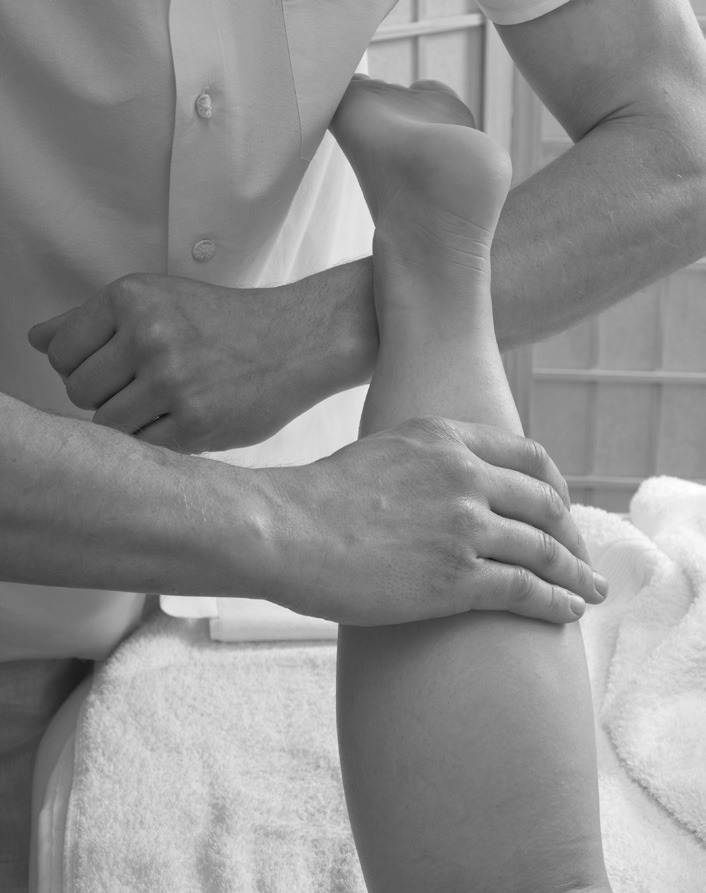
I was determined to improve with the therapy. The limitations of a stay in a therapy center would not overshadow my rehabilitation. It was challenging. It was hard work. At both facilities, the therapists knew what I needed to make my body stronger. They guided me with exercises that would strengthen my trunk, legs, and arms to help me move safely and increase my body strength. They were knowledgeable, professional, funny, and compassionate. And boy, did they make me work!
In a place where I didn’t feel the familiarity and comfort of home, I “survived” by reflecting on the simple acts of kindness I observed throughout my stay. Although a stay in any institution is challenging for all of us, what got me through was the staff who showed their own humanity and empathy. Basically, the healthcare professionals not only gave me my medications, guided my body through a variety of exercises, or changed my ice water every day, but they showed me they were persons just like me.
Napkin Man
Each day, most of us ate our meals in a cafeteria. One day while I was eating my lunch, I used a paper napkin to blot out some grease from the pepperoni on the pizza. Since my napkin was a bit soggy, I reached for another from the napkin container on the table. It was pretty far away on the far side of the table. I decided to go to my room and wash my hands there. Just as I was about to leave, a patient came from another table and nudged the napkin container close to me.
I took a napkin and wiped my hands. He sat in the dining room each day, and I saw him in the therapy gym. He was not able to speak and seemed like only one side of his body moved. I thanked him, and he nodded. And it hit me. This gentleman had physical limitations due to an accident or a stroke. He looked outward, not just concentrating on himself, but added a simple act of kindness to me. That inspired me to work harder the remainder of my stay.
Stories
Every evening around 6:00, a new PCT (patient care tech) came to my room, introduced themselves, and listed their name and the nurse who would care for me that shift. I always greeted the PCT and made a little small talk with them, these unsung heroes in healthcare. One night, when I was chatting with my wonderful PCT, I asked how she was doing.
She said she was doing better. I asked if she had been ill, and she replied, “No, not physically ill, but brokenhearted. My 21-year-old son was shot and killed three months ago, but I am dealing with his shooting and death a little better each day.” I was drawn to the hardworking staff, and my thoughts were redirected from my entering into my personal healing to a more inclusive mindset of my caregivers and fellow patients. She was a very kind and professional staff member.
Most residents are helped on a daily basis by STNA staff. The role of an STNA (state-tested nursing assistant) involves assisting patients and monitoring their health and supporting nurses and physicians in providing patient care. Ohio is the only state to use the STNA acronym for nursing aides or assistants. These professionals often work under registered nurses, physicians, and other medical professionals.
While the job can be very rewarding, it isn’t always easy. Whether it’s cleaning up after patients or working with distressed patients and family members, this job can include difficult tasks. However, you may find that helping people is worth the tough experiences.
That’s why, while we are going through a stay in any rehab or hospital facility, it might be a good part of our healing to look outward from ourselves. That might be hard when we are not feeling well or we miss home or don’t seem to be improving in our health. I think looking at fellow humans as partners in our healthcare and daily activities can be a great shift from concentrating solely on ourselves and seeing a bigger picture. Remembering that our helpers do their jobs well, we might remember they are doing their best to help us move toward better health. They are good people doing their job generously and graciously who have their own personal challenges.
People help us on our daily path to recovery, and together we can heal better with mutual respect.
Sister Karen Zielinski is the Director of Canticle Studio. Canticle Studio is a part of the Sisters of St. Francis of Sylvania, OH’s overall advancement effort and has a mission of being a creative center where artists generate works, products, and services in harmony with the mission of the Sisters St. Francis. She can be reached at kzielins@sistersosf.org or 419-824-3543. ✲