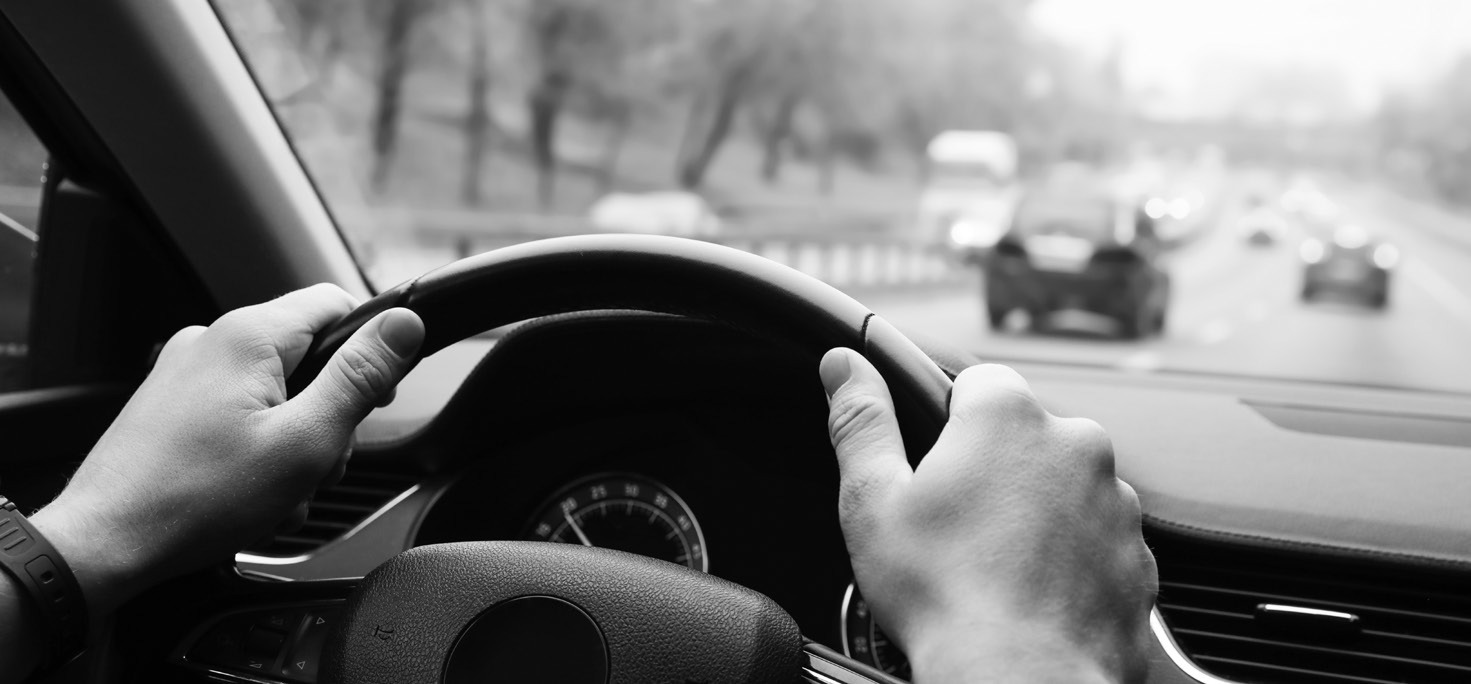
Safe driving isn’t a matter of luck. The safest drivers on the road are those who adopt a defensive approach every time they get behind the wheel. Defensive drivers always expect the unexpected and know how to adjust their driving habits in order to minimize the likelihood of accidents, thereby making the road a safer place for everyone. Here is a sampling of their safe-driving secrets:
Plan your escape
As a defensive driver, you should be constantly thinking of ways to maneuver your vehicle in case you need to avoid a hazard or potential accident. By continuously monitoring the road and the location of other vehicles relative to yours, you can identify the safest escape route in any hazardous situation—such as the vehicle in front of you coming to a quick stop or an oncoming vehicle swerving across the median—and be poised to take action immediately. If no escape route is readily available, it’s vital to slow down and allow more space between your vehicle and others on the road.
Broaden your horizons
It’s easy to get fixated on the bumper of the vehicle in front of you, especially after you’ve been driving for an extended period, but regularly scanning the road a few hundred yards ahead as well as directly in front of you will reveal many potential hazards before they develop and allow you sufficient time to react or plan a defensive maneuver. For instance, if you spot that deer standing on the shoulder of the highway ahead of time, you can anticipate that its next action might be to jump in front of your vehicle.
Back off
Rear-end collisions account for a significant percentage of all vehicle accidents. Avoiding this common collision is often a simple matter of maintaining a safe following distance. Allow at least three seconds between your vehicle and the vehicle in front of you when driving conditions are ideal. Your following interval should be increased to eight to ten seconds when roads are wet or slippery.
To determine the safe-following interval, wait for the car ahead of you to pass a fixed object on the road, such as a sign or overpass, and begin counting. If the front of your vehicle reaches the fixed object before you count “one thousand and three” (or “one thousand and eight” in poor weather), increase your following distance.
Keep right, pass left
Frequent and/or abrupt lane changing greatly increases your odds of a collision. When driving on expressways, stay in the right lane and reserve the left lane for passing only. When changing lanes, always use your turn signal and check for vehicles in your blind spot by quickly glancing over your shoulder before beginning your lane shift.
Lose the distractions
You lower your defenses any time you decide to eat, drink, change radio stations, text, or chat on your cell phone while driving. Keep your full attention on the task of driving at all times, and reserve these and any other distracting activities for a rest stop, parking lot, or your driveway.
Don’t take bad driving personally
Getting tailgated or cut off in traffic can certainly be aggravating, and you may want to give that selfish driver a piece of your mind—even if you have to break the speed limit to catch up to him. But losing your cool will just put you and others at risk. Treat rude or aggressive driving just as you would any other unexpected hazard on the road: Stay in defensive mode and take the first opportunity to maneuver safely away from the situation. ✲