If you are considering using melatonin to help your child sleep, discuss this with your child’s healthcare provider first to determine whether it is appropriate, the best dose, and the best time to administer it.
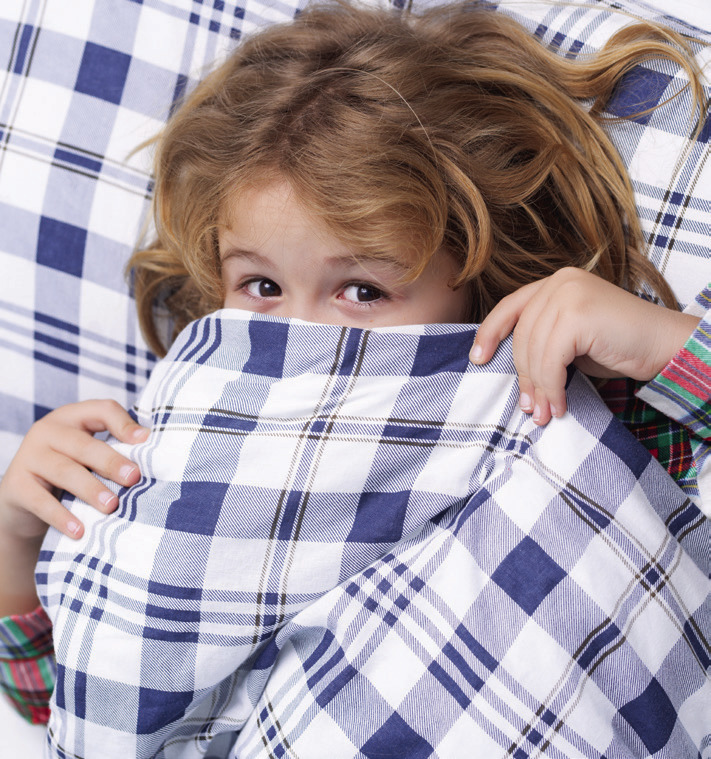
MELATONIN (pronounced “MELuh- TOH-nin”) is a hormoneproduced by the brain that promotes sleep onset. It can be produced synthetically.
Many adults use over-the-counter melatonin supplements to alleviate sleep problems (e.g., insomnia, jetlag). However, the number of children and teenagers who take melatonin to help them go to sleep is rising. As evidence of this rise, the Center for Disease Control and Prevention (CDC) in Atlanta, GA recently reported that the number of calls to poison centers regarding melatonin overdose in children was more than five times greater in 2021 than nearly 10 years earlier in 2012 and that the number of emergency room visits because of melatonin overdose in young children has increased with more than 14% of reported overdoses resulting in hospitalizations and 1% of overdoses resulting in treatment in an intensive care unit. Despite such statistics, many parents remain unaware of the possibility of overdose when buying melatonin supplements for their child.
Over-the-counter melatonin supplements for children are typically marketed to children four years and older, although some companies market to children as young as two years old. A dose typically ranges from 0.5mg to 1.0mg. A physician may suggest starting with a low dose (e.g., 1mg) and, if ineffective, slowly increasing the dose over time until the drug has an effect. What maximum dose is safe for a child continues to be investigated by scientists. However, based on current information in the medical literature, some scientists suggest a maximum dose of 3mg for children 4 years or older who weigh less than 88 pounds and a maximum dose of 5mg for children 4 years or older who weigh more than 88 pounds. Symptoms of melatonin overdose are dizziness, excessive sleepiness (the most common adverse effect), headache, increased bedwetting, irritability, labored breathing, mood swings, nausea, stomach pain, and vomiting.
Melatonin is marketed as a “drug-free,” “safe,” “natural,” and “non-hab-it forming” sleep aid, and parents consequently feel safe in giving melatonin to their child. However, melatonin may be inappropriate for a child, depending on drugs (e.g., benzodiazepines, corticosteroids) the child is taking or if the child has certain physical conditions (e.g., asthma, pregnancy).
If your child’s physician approves of your child taking melatonin, select a product with the USP-verified mark. “USP” stands for United States Pharmacopeia, which is a scientific nonprofit organization that sets federally recognized standards of quality for dietary supplements. The USP-verified mark indicates that the product contains the ingredients listed on the label in the declared amount. Most important, as with prescription drugs, be sure to store melatonin products out of the reach of your child to prevent an unintentional overdose.
Note: The Center for Disease Control and Prevention report is available at https://www.cdc.gov/mmwr/volumes/71/ wr/mm7122a1.htm.
Regina Patrick, RPSGT, RST, is a freelance writer/editor and a registered sleep technologist. She has been involved in the sleep field for more than 30 years.
✲