It’s the rare individual whose life has never been impacted by mental- health or substance-use issues, whether directly or indirectly.
In fact, among the key findings of the 2021 National Survey on Drug Use and Health, conducted by the US Department of Health and Human Services’ Substance Abuse and Mental Health Services Administration (SAMHSA), nearly one in three adults had either a substance-use disorder or any mental illness in the past year, and 46 percent of young adults 18-25 had either a substance-use disorder or any mental illness.
Even more concerning are the survey’s findings that 12.3 million adults aged 18 or older had serious thoughts of suicide in the past year, 3.5 million made suicide plans, and 1.7 million attempted suicide.
The good news is, with proper intervention and treatment, more and more people grappling with mental-health or substance-use issues are achieving lasting recovery and taking back their lives.
However, while we commonly celebrate breakthroughs in the treatment of physical health conditions, such as hypertension, diabetes, asthma, cancer, or heart disease, positive developments in the treatment of people with mental-health or substance-use disorders often go unnoticed.
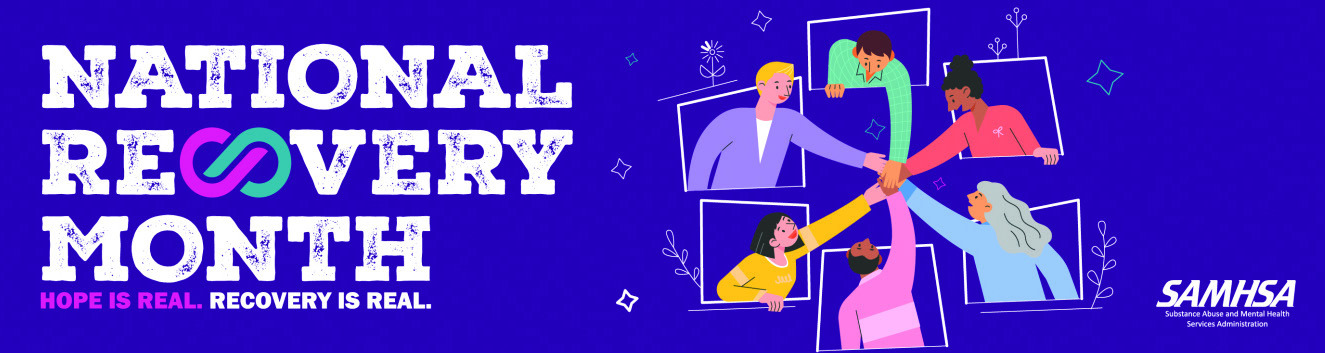
To ensure the gains made by those in recovery are recognized and celebrated, the month of September has been designated National Recovery Month. Sponsored by SAMHSA, National Recovery Month is “a national observance held every September to educate Americans that substance-use treatment and mental-health services can enable those with mental and substance-use disorders to live healthy and rewarding lives.”
National Recovery Month is important not just to the individuals whose lives have been touched by mental-health or substance-use problems, but also to thousands of prevention, treatment, and recovery programs and facilities around the country, for whom the commemoration provides an opportunity to speak about the gains made by those in recovery and share their success stories with their neighbors, friends, and colleagues, thereby helping to increase community awareness and understanding of these disorders.
Furthermore, this national observance serves to help reduce the stigma and misconceptions surrounding mental-health and substance-use disorders, which can have the effect of discouraging people from seeking help when they need it. Some examples of these misconceptions are beliefs that people with mental-health or substance-use disorders:
• Could solve their own problem if they would just think positively
• Are violent and dangerous
• Are too weak to handle the rigors of work or school
• Are strange and unpredictable
• Have a problem that will never affect me. Dedicating the month of September to shine a spotlight on the people who are succeeding in recovery—as well as on the treatments, services, and individuals that helped them get where they are—is the best way to dispel these and other persistent myths related to mental illness and substance abuse.
Because people of any background can experience mental-health and substance-abuse issues, it’s vital that any efforts to promote recovery reach people of all demographics. With that objective in mind, last year’s National Recovery Month theme, “Every Person. Every Family. Every Community,” has been chosen as the permanent tagline for this annual event.
This powerful, reassuring message that “recovery is for everyone,” helps to further reduce the stigma that, unfortunately, has long been associated with behavioral health problems. When people come to appreciate that many of their family members, friends, and coworkers are dealing with the same or similar issues, they quickly realize that they’re not alone in their struggle and may be more likely to seek help when they need it.
If you or someone you love is struggling with addiction or a mental-health disorder, it’s time to stop suffering in silence. Help and hope are closer than you think. Our community offers a wide range of services and resources to put people who are struggling with substance abuse and/or mental illness firmly on the path to recovery. ✲