WE HAVE ALL HEARD the buzz phrases in the news: “advocacy,” “watchdog,” “guardian,” etc. All are terms about what you should be with the medical system. In some respects, it becomes adversarial. That is not what medicine is supposed to be. It is a partnership between a physician and a client. Working together, we can achieve good care and outcomes.
That may be an overly rosy view of our healthcare system. After all, we live in the era of big medicine, where volume is a primary care driver. As a doctor, I am not alone in my desire to see medicine be mutually cooperative and beneficial. Health providers across the system want to be one of many forces that help our patients get healthy and return to their lifestyles.
Helping us help you
Given the ever-shifting nature of health care, the insurance support system, and our clients’ needs, physicians are constantly bombarded by changes. Of course, so are clients. This causes mutual frustration that can often prevent us from getting to the core of the patient’s needs or complaints. If we can eliminate some of these roadblocks, both patient and provider can get right down to business: addressing the patient’s needs.
So, what is the solution? Simply put, the biggest help to a physician is how prepared you are for the visit. The more you bring to the conversation, the more focused a physician can be on your needs. Just a few easy steps before the appointment will greatly enhance your time with your healthcare provider.
Here are some tips to help you manage your health care effectively:
1. Stay informed: Educate yourself about your health conditions, medications, and treatment options. Use reliable resources, including the direct websites of providers, medication companies, and health insurance sites.
2. Keep records: Keep organized notes and records, including medical history, medications, test results, and vaccinations. This will help move a treatment discussion forward.
3. Schedule regular checkups: Although easy to neglect, routine medical checkups will significantly improve your overall care and, as necessary, help set a baseline for your medical provider when you are sick.
4. Take medications as prescribed: It seems obvious, but taking medications as prescribed is paramount to helping your own health care. Using organizers can be a big help if you are on several medications.
5. Know what your insurance covers: This may be one of the hardest self-advocacy steps. The plans are complex and layered. Although frustrating, before expensive treatments or visits, spend time getting good information from your insurance provider about what costs are covered. Above all, write down who you spoke with and the date, and have them follow up with an email.
6. Be honest: Build a good relationship with your healthcare providers. Be honest about your symptoms, ask questions, and express any concerns you may have. And be frank about your coverage. Your doctor may have alternatives that will meet your budget or insurance plan.
7. Adopt a healthy lifestyle: Healthy habits are among the best self-advocacy steps any of us can take. Being healthy helps us in so many ways. However, the biggest reason to engage in a healthy lifestyle is that if we do get sick, everything goes better when we need treatment. Eating well, exercising, having hobbies, and, of course, staying aware of how we feel are essential to wellness.
None of these steps, on their own, will guarantee a good outcome from a visit to the doctor. What they do is build a foundation of trust and information between you and your physician that helps facilitate care.
In a word, a partnership.
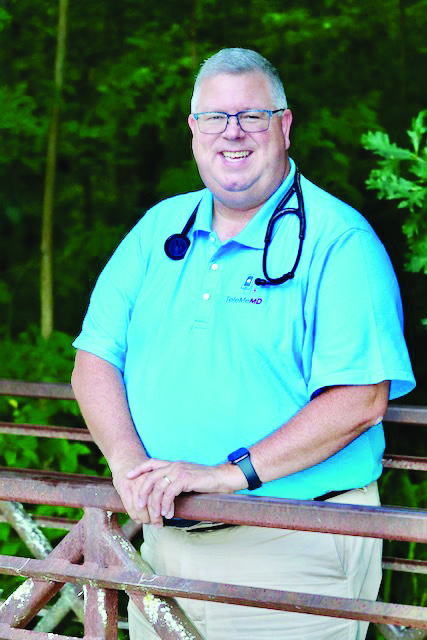
Dr. Steven Bills is the owner of TeleMeMD (www.mytelehealthmd), an on-demand urgent-care service. Dr. Bills was born, raised, and educated in Toledo, attending St. John’s Jesuit High School and the University of Toledo and graduating in 1993 from the Medical College of Ohio. Dr. Bills completed Emergency Medicine Residency training at the joint St. Vincent/Mercy Medical Center and Toledo Hospital program. Since 1996, Dr. Bills has worked in the Northwest Ohio area in nearby Emergency Departments and as a flight physician on local area medical transport helicopters. ✲