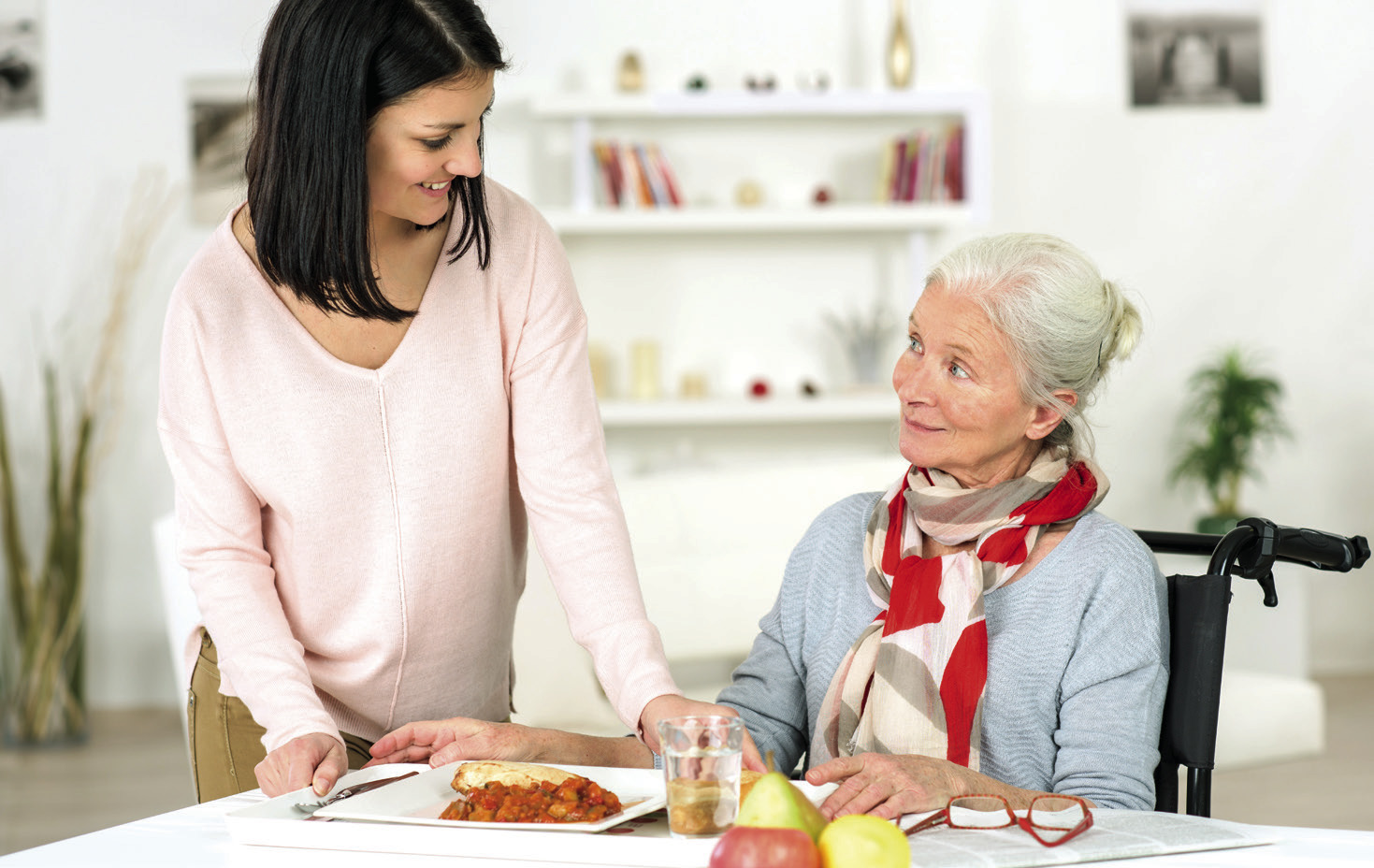
The aging process is often accompanied by a wide range of physical, psychological, emotional, economic, and social changes, some quite obvious but others much more subtle. Among the many changes seniors can experience is an increased risk of malnutrition.
Why are seniors at any greater risk of malnutrition than the younger population? After all, if they’ve been eating right all their lives, shouldn’t the same healthy habits continue into their senior years?
Contributing factors
There are several significant factors that can influence the way seniors eat or absorb nutrients. Among them: Reduced mobility— Limited mobility, which can stem from a wide range of physical conditions common to aging, can make it very difficult for seniors to get to the grocery store to buy food for themselves or even get to the kitchen to prepare healthy meals for themselves.
Medications— Certain medications (or combinations of medications) can cause loss of appetite, changes in the way foods taste, nausea, or other unpleasant side-effects that interfere with eating.
Difficulty chewing or swallowing— Oral problems, such as missing teeth, severe decay, poor-fitting dental
appliances, gum disease, mouth dryness, or sores in the oral cavity, can make chewing difficult or painful, and certain diseases and treatments can impair the muscles involved in swallowing.
Dietary restrictions— Medical dietary restrictions, such as limiting salt or sugar, can cause seniors to lose interest in foods they once enjoyed.
Impaired senses— As we age, the senses of taste and smell tend to diminish, which can also lead to loss of enthusiasm toward eating.
Depression— Factors such as the loss of mobility, failing health, chronic illness, grief over the loss of a loved one, and loneliness can lead to depression, which often causes appetite loss.
Social isolation— For many seniors, dining is a social experience. Eating alone because of limited mobility or chronic illness may cause them to lose interest in cooking and eating.
Economic hardship— Seniors on a tight, fixed income may be unable to afford food or may try to save food for the future instead of eating it now to satisfy their immediate nutritional needs.
The onset of dementia— Various forms of dementia and other cognitive problems significantly increase the risk of malnutrition among seniors.
Senior malnutrition red flags Malnutrition in seniors is a stealthy heath issue that often goes undetected until serious complications arise and their health has already begun to deteriorate. However, there are certain red flags that family and friends should watch for in their senior loved ones. Examples include pronounced weight loss, clothes fitting more loosely than normal, a once hearty eater suddenly losing his or her appetite or losing interest in a favorite restaurant, expired or spoiled food left in the refrigerator, unhealthy skin tone, bruising easily, dental problems, poor wound healing, a normally active senior becoming lethargic, symptoms or complaints of depression, and symptoms of dementia or other cognitive problems.
How you can help
If you observe any of these warning signs or simply suspect your senior loved one is having difficulty eating or not getting adequate nutrition, there are several things you can do to make a difference:
• Discuss your concerns with your loved one’s healthcare provider. Resolving the problem may be a simple matter of changing medications, altering dietary
n restrictions, addressing oral issues that interfere with chewing, or getting therapy to address swallowing difficulties. A physician can also order screenings for nutritional deficiencies as well as provide referrals to dietitians, psychologists, or other specialists if appropriate.
• Assist with food shopping and preparation. Seniors with limited mobility may greatly appreciate someone stepping in to help with their grocery shopping and meal cooking. When preparing meals and snacks, try to make them nutrient-dense. If your senior loved one is on a salt-restricted diet, enliven bland foods with herbs and seasonings instead of table salt. If circumstances make it impractical for family or friends to provide this level of support, a good alternative is to arrange for a home health aide to step in and provide these services or to utilize a community senior nutrition service that delivers healthy meals.
• Put the social component back in mealtimes. Schedule mealtime visits with your senior loved one—whether in his/her home, your home, or a senior center. Not only will this provide you an opportunity to monitor for signs of eating problems, but it will also help alleviate the sense of loneliness and isolation that can lead to depression. ✲