OCTOBER IS BREAST CANCER AWARENESS MONTH, and all across America you’ll see the color pink—in grocery stores, restaurants, social media, sporting events, and just about anywhere else you look. The Susan G. Komen Race for the Cure will be happening in cities across the country as well (our local event was just held on September 29), raising millions of dollars to fund breast cancer research, increase access to care, and hopefully one day find a cure.
Regrettably, despite the heightened awareness and money raised, breast cancer cases in the US have not changed significantly. Chances are that you know someone who has been affected by breast cancer—a friend, family member, neighbor, sister, or mother. That’s why it’s so important to learn and share breast-cancer-prevention tips.
Many factors can influence the risk of developing breast cancer. Risk factors, such as gender, age, family history, and genetics, are all “nonmodifiable,” meaning they cannot be changed. Things we can do or control to help prevent breast cancer include exercising, eating a healthy diet, and getting enough sleep.
However, keep in mind that women who eat healthy and exercise can still develop breast cancer. Many women use the time of diagnosis to make lifestyle changes, such as eating healthier and being more active. Whether healthier habits are adopted for the sake of breast cancer prevention or in order to be as healthy as possible following diagnosis, any positive change in lifestyle is likely to offer health benefits.
So, let’s review the key components of a breast-cancer-preventive lifestyle:
Adequate exercise
We all need exercise and know it’s important for our health. According to research conducted by the University of North Carolina, regular exercise can help cut breast cancer risk by as much as 30%. But in reality, how many of us are really getting it done when it comes to exercise?
The truth of the matter is, you don’t need to run marathons or spend hundreds of dollars on a gym membership. Simply walking, playing pickleball, shooting hoops with your kids on the driveway, or riding a bike will provide the level of activity you need. The goal here is quantity—aim for 30 to 60 minutes of activity per day for five days a week.
Healthy diet
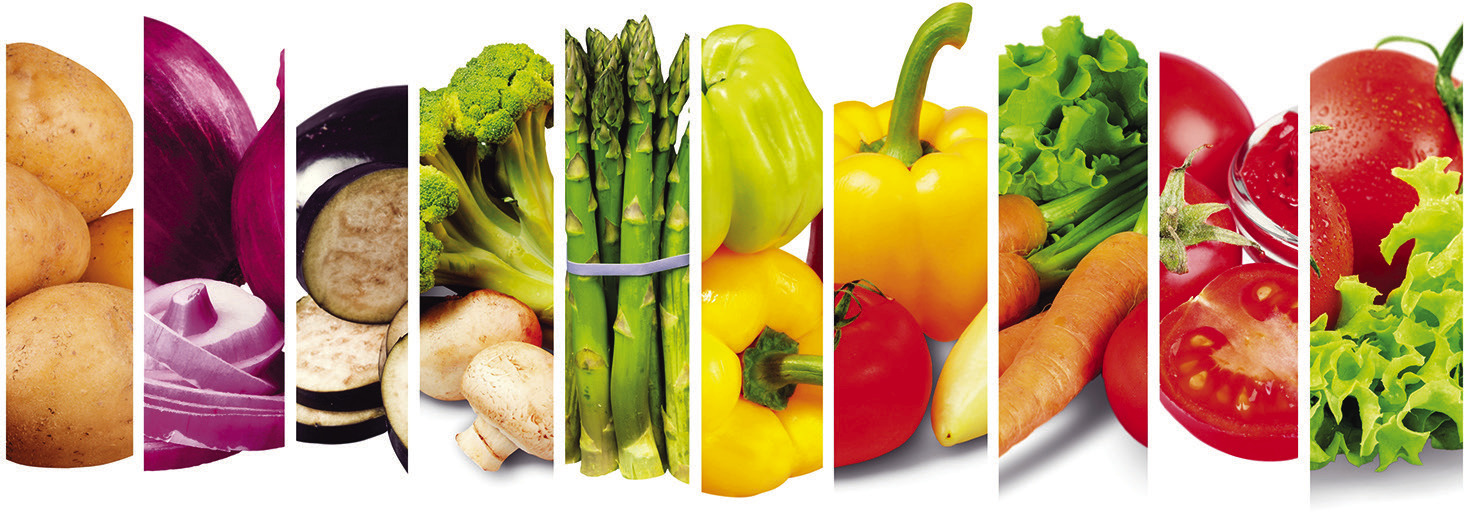
Eating a healthy diet means getting plenty of foods rich in fiber, vitamins, and minerals. Fruits and vegetables contain a number of naturally occurring beneficial compounds (remember those phytochemicals that fight free radicals—the bad guys—in our body), so aim for five servings of fruits and veggies per day in keeping with the Eat the Rainbow and 5 A Day campaigns. Superfoods like broccoli, carrots, cabbage, pomegranate, and raspberries are all terrific choices. In general, follow a plant-based diet that includes whole grains, beans, lentils, and dried peas, and strive to limit or, better yet, avoid processed foods.
For an example of a delicious plant-based dish, try the Mediterranean Quinoa Bowl recipe that follows this article.
It’s also important to note that most of us do not get enough vitamin D—an essential nutrient for preventing breast cancer. Even with all the sunny days we’ve been having, it’s usually not enough, so it may be necessary to take a vitamin D supplement. The recommended daily allotment is usually 2000-5000 IU of D3 per day, which is safe and easy to get.
Other important nutrients are magnesium, and B complex especially for postmenopausal women.
How do you know whether you’re getting enough of a vital nutrient? Your doctor can order lab work.
Sufficient sleep
The key to a good night’s sleep is the amount of melatonin produced by the body. Melatonin is the hormone that regulates our sleep-wake cycle, but researchers have also found that decreased melatonin levels can stimulate the growth of estrogen-receptor- positive breast cancer cells. In fact, women who work mostly nights and have very little exposure to sunlight have increased breast cancer rates by as much as 60%.
For women who have a hard time falling asleep or staying asleep, taking 3 mg of melatonin one hour before bedtime can help their body’s circadian rhythm, allowing them to get seven to eight hours of sleep per night.
These tips are not a 100% guarantee of protection against breast cancer, but implementing them in your life will likely decrease your risk of developing the disease by 30,40, or even 70 percent.
So, why not start today? Make a plan for exercise. Start out slow, for example by walking in further from the grocery store parking lot or by doing morning stretches or yoga. When grocery shopping, fill your cart with fruits and vegetables as you walk into the store—usually three fruits and three to five vegetables for the week. Shop for colors and variety.
The important thing is for each woman to do what is best for her. And remember, making healthy food choices on most days is good advice for everyone.
Laurie Syring, RDN/LD, is Clinical Nutrition Manager at ProMedica Flower Hospital. ✲
Mediterranean Quinoa Bowl Start with cooked quinoa.
Top with roasted chick peas, cherry tomatoes, cucumbers, avocado, and pickled red onions.
Sauce: garlic and Greek yogurt mixed. You can add parsley, mint, and red pepper flakes.
• Basically, anything goes, whatever you have on hand.
• It never has to be the same bowl twice.
• You can add roasted, sliced seasoned tofu.
• Add and take away ingredients depending on personal choices.
• A family favorite! ✲