

WE’RE ONE MONTH INTO 2023, and it’s technically still “diet season.” As a dietitian, I would encourage you to ditch all the fad diets in favor of a healthy one that you can stick with for a lifetime. Easier said than done, right? After all, how do you determine which diet is best for you in the long term? Well, allow me to introduce the Mediterranean Diet—an approach to eating that is not only healthy and delicious, but also sustainable for most people.
But you don’t have to take my word for it because, for the sixth year in a row, US News and World Report has named the Mediterranean Diet the number one Best Overall Healthy Diet. The panel of judges making the decision included nutritionists, physicians, and dietary consultants. Due to its many health benefits, the Mediterranean Diet won Best for Healthy Eating, Best Plant-Based, and Best Family-Friendly diet.
Living here in Toledo area, we have the unique benefit of enjoying a plethora of Lebanese, Greek, and Mediterranean restaurants.
For many of us, it’s the number-one requested place to go when friends and family visit from out of town.
As the name suggests, the Mediterranean Diet was inspired by the eating habits of people who live near the Mediterranean Sea. It initially looked at the cuisines of Greece, Italy, France, and Spain, and in the 1960s, the diet began to include gastronomic fare from Turkey, Lebanon, Syria, North Africa, and Portugal.
The primary characteristics of the diet include high consumption of unprocessed cereals, whole grains, legumes, nuts and seeds, olive oil, fruits, and vegetables. Moderate consumption of fish, dairy products (cheese and yogurt), and meat products is also part of the diet.
The Mediterranean Diet is low in saturated fat (the bad fat) with high amounts of monounsaturated fat (the good fat) and dietary fiber. Research has shown this diet is effective in reducing the risk of heart disease, type 2 diabetes, cancer, and obesity.
Sounds great, but how do I get started? What does a typical day on this diet look like?
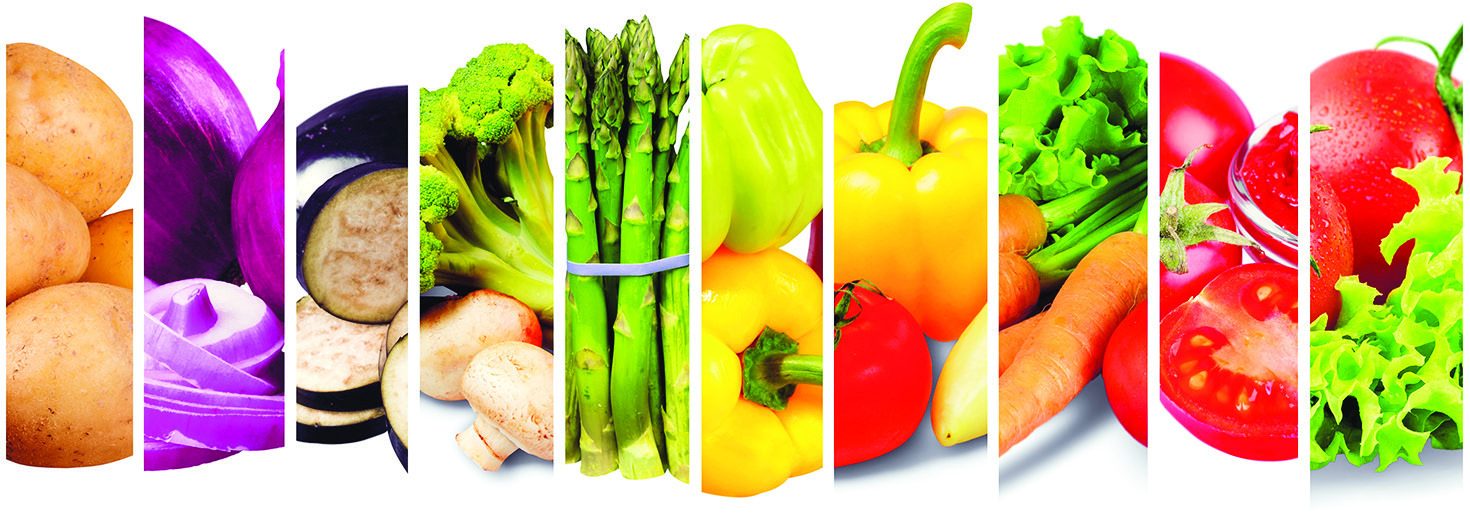
As with any change in eating habits, the Mediterranean Diet starts with grocery shopping. Fill your cart with a variety of fruits and vegetables of every color. If you’re thinking this is a lot, remember that you should be eating three to four servings of fruit and at least four servings of vegetables a day. In addition, choose whole grains like brown rice, oats, barley, bulgur, cornmeal, and whole wheat, as well as plain Greek yogurt, eggs, egg whites, and chicken. Load up on legumes (beans) of all types and nuts and seeds. On the other hand, avoid putting red meat, sweets, and highly processed foods in your cart.
While shopping, try to keep your food budget in mind. Buy only what you need for the week, take advantage of sales, and shop where prices may be lower, such as Aldi.
A typical day on the Mediterranean Diet might look something like this: Breakfast: one- to two-egg-white omelet with spinach, asparagus, tomato, and feta cheese; one orange; unsweetened coffee.
Lunch: lentil soup, tabbouleh salad, whole-grain pita bread, hummus, cucumber slices, olives, tea.
Snack: one cup of Greek yogurt, two to three figs.
Dinner: three ounces of grilled fish, whole-grain pasta, marinara sauce, sautéed eggplant, spinach salad, olive oil, grapes, and almonds. One glass of red wine optional.
You really wanted pizza, you say? Use a whole-grain pita or cauliflower crust, marinara sauce, all the vegetables you want, feta cheese, and bake!
For inspiration while getting started, check out Amazon or your local bookstore for a Mediterranean Diet cookbook—there are tons of them and many include terrific recipes with pictures. Also, check out everydayhealth. com (search Mediterranean Diet).
With its focus on fruits, veggies, and whole grains, and because it doesn’t eliminate any whole food groups, the Mediterranean Diet is more of a maintainable lifestyle than a quick-fix diet. That’s important because, ultimately, for a diet or eating pattern to be successful in helping you improve your health, it needs to be sustainable for the long haul.
Whether you go Mediterranean or not, the key is to choose a healthy eating plan that you can foresee yourself sticking with effortlessly for years to come. That is what will bring you success. Most importantly, enjoy the taste of eating right!
Lauie Syring, RDN/LD, is Clinical Nutrition Manager at ProMedica Flower Hospital. ✲
