March is National Nutrition Month
EVERY MARCH—which has been designated National Nutrition Month ® —the Academy of Nutrition and Dietetics reaches out to the global community to promote good nutrition and encourage everyone to develop healthful eating and physical activity habits. This year’s commemoration, themed “Celebrate a World of Flavors,” provides an opportunity to not only nourish ourselves, but also celebrate culinary diversity and discover new foods and flavors.
However, diverse, healthy eating doesn’t “just happen.” So, this month I’d like to review some of the habits that will help us add more variety to the foods we eat as well as discuss ways to “Celebrate a World of Flavors” when planning meals and snacks.
It’s kind of funny how everyone has a different idea of what “healthy eating” is. For some, it’s drinking two fewer bottles of Mountain Dew a day! For others, it’s following a no-carb or no-meat meal plan. For still others, it’s eating a piece of fruit a day. Healthy eating for most people
Healthy eating for most people should not mean eliminating food groups. In fact, you should include a variety of healthy foods from all food groups—milk/dairy, whole grains, meat/fish/lean proteins, fruits, and vegetables—every day. Strive to balance your plate, using MYPLATE.gov as a reference. Make your plate one-fourth protein, one fourth whole grain, and one-half fruits and vegetables.
Including different cultural foods and traditions is also important because it makes cooking and eating fun and interesting. Try new flavors and foods. For example, I recently bought tomatillos for the first time and googled recipes that incorporate them. It was amazing how many recipes appeared, and I made a delicious Chicken Tortilla Rice Bake. I also bought tofu and found a recipe for Super Food Crispy Tofu Bowl, which is now a must-have family favorite.
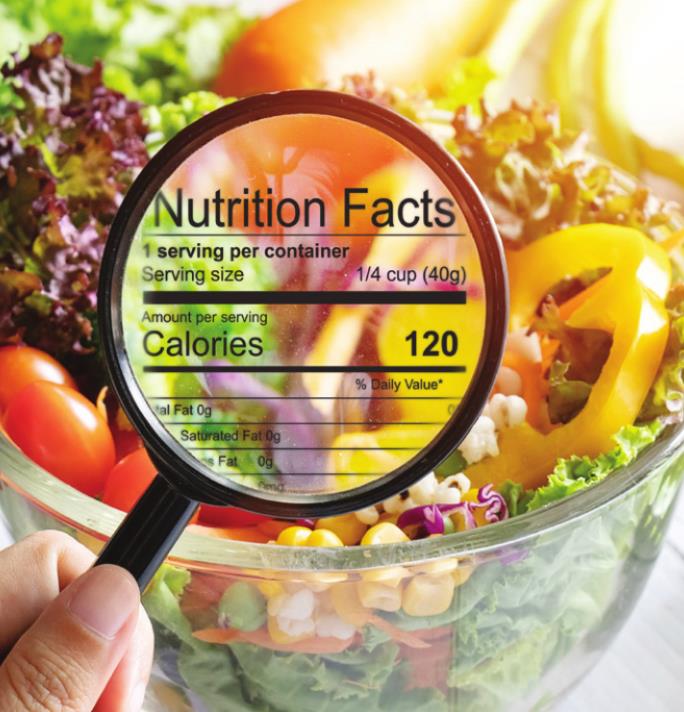
I also have to add a reminder to check those nutrition facts labels. I know, just when you thought you understood them, they changed again as of January 2021 to make them easier to understand. Now the calories are in big, bold print and added sugars are listed out separately. Food labels are a wealth of information, so to make them more manageable, focus on just a few nutrients that are important to you, such as fiber or perhaps sodium.
In addition, you should always make an effort to plan your meals and snacks. Take some time at the beginning of your week to determine what you’ll be having and when you will be cooking, eating out, or putting something in the instant pot. Shop and buy all your needed ingredients to avoid having to make several return trips to the grocery store throughout the week. When eating out, take time to really look at the menu and make healthy selections. Try to choose grilled items, not fried, and pick vegetables or salad and fruit if they have it.
Last but not least, make healthy cooking fun! Try new ingredients, find new recipes online, and be sure to involve family members, including kids. They can give good meal suggestions and help with shopping and meal prep, too.
Healthy food choices span the globe, and trying recipes and ingredients from different culinary traditions can be a lot of fun. You always have the option of modifying recipes and ingredients based on your personal food preferences, allergies, intolerances, and budget. Of course, “celebrating a world of flavors” is about learning from your own food heritage as well. Using both familiar and new ingredients is a sure way to include different flavors and increase the variety of nutritious food you get from all food groups.
Laurie Syring, RDN/LD, is Clinical Nutrition Manager at ProMedica Flower Hospital.