

According to the World Health Organization (WHO), the number of people living with diabetes has more than quadrupled since 1990, rising from 200 million that year to 830 million by 2022.
The prevalence of diabetes underscores how significant a threat it poses across the globe. And recognition of that prevalence may prompt questions about the disease, including what can be done to prevent it.
What is diabetes?
The WHO notes diabetes is a chronic disease that occurs when the pancreas does not produce enough insulin or the body cannot effectively utilize the insulin that is produced. The Centers for Disease Control and Prevention (CDC) notes that’s problematic because insulin acts like a key to let blood sugar into the body’s cells for use as energy.
Are there different types of diabetes?
Yes. The CDC notes Type 1 diabetes is typically diagnosed in children and young adults, though it’s important people recognize it can be diagnosed at any age.
Type 1 diabetes is believed to be caused by an autoimmune reaction that stops the body from making insulin. People with Type 1 diabetes must take insulin every day to survive.
Type 2 diabetes is characterized by an inability to utilize insulin well and maintain normal blood sugar levels. Though the CDC notes more and more young people are being diagnosed with Type 2 diabetes, the disease is more often diagnosed in adults and tends to develop over many years.
Gestational diabetes is another form of the disease that can develop in pregnant women who have never had diabetes. Gestational diabetes typically goes away after giving birth, but the CDC notes a baby could be at elevated risk for health problems like childhood obesity or Type 2 diabetes if a mother develops gestational diabetes during pregnancy.
Are there risk factors?
Risk factors vary for each type of diabetes. The risk factors for Type 1 diabetes include family history, notably a first degree relative (i.e., parent or sibling) who has the disease, and age since most cases are diagnosed in childhood or adolescence. Age also is a risk factor for Type 2 diabetes, as the CDC notes most diagnoses of the disease are made in people age 45 and older. Risk for Type 2 diabetes also is greater if a person has a first-degree relative with the condition, but that might be because families tend to live similar lifestyles relating to diet and exercise. A poor diet can increase Type 2 diabetes risk, as overweight or obesity are risk factors for the disease.
A sedentary lifestyle in which people are physically active less than three times per week also is a risk factor for type 2 diabetes.
What are the signs and symptoms of diabetes?
The WHO reports symptoms of diabetes may occur suddenly but also notes that they can take years to be noticed in people with Type 2 diabetes. But some of the more notable symptoms include:
• Feeling very thirsty
• Need for frequent urination
• Blurred vision
• Fatigue
• Unintentional weight loss The Kovler Diabetes Center at UChicagoMedicine notes that tingling or numbness in the hands or feet, a condition known as neuropathy, also may indicate the presence of diabetes.
This occurs over time because high glucose levels can damage the nervous system. Delayed healing of bruises or cuts or frequent infections also can be signs of diabetes.
WHAT DOES DIABETES DO TO YOUR BODY
When an individual has diabetes, various parts of that person’s body can be affected.
Recognizing how diabetes affects the body can shed light on just how debilitating the disease can become. Eyes
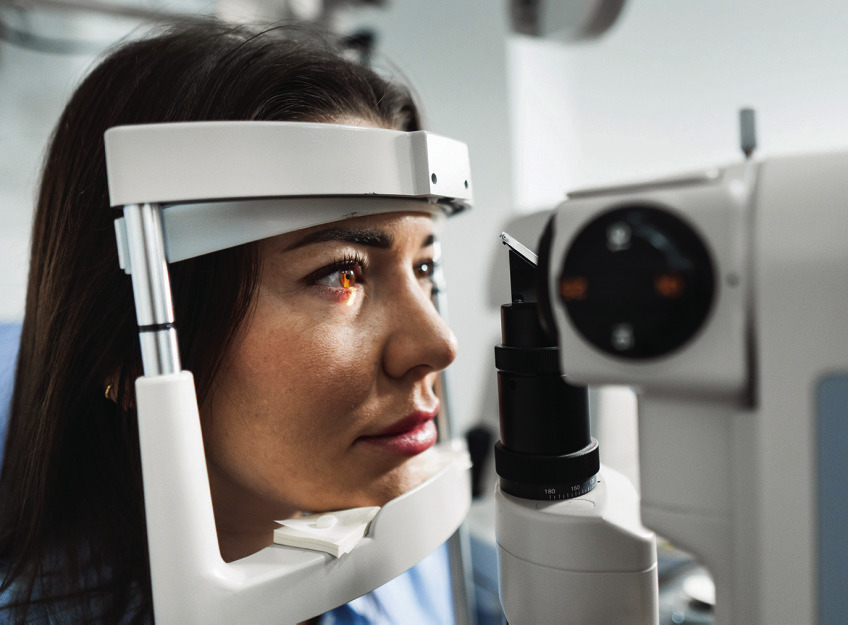
The National Eye Institute notes that chronically high blood sugar from diabetes can cause damage in the retina that ultimately leads to diabetic retinopathy.
That’s because excessive sugar in the blood can lead to the blockage of tiny blood vessels that nourish the retina.
That blockage effectively cuts off the blood supply to the retina, prompting the eye to attempt to grow new blood vessels. However, the Mayo Clinic notes that these new vessels do not develop properly and can leak easily.
The longer a person has diabetes and the less controlled their blood sugar is, the more likely they are to develop diabetic retinopathy, which can cause blindness.
Heart
According to the Michigan-based Beaumont Health, individuals with diabetes are at a higher risk for developing heart disease at a younger age and in a more severe form than those without diabetes.
The CDC notes that this link is due to the damage that high blood sugar causes to the vessels and nerves that control the heart. In addition, people with diabetes are more likely to have high blood pressure, too much LDL, or “bad,” cholesterol in their bloodstream and high triglycerides, which is a type of fat in the blood. Each of these conditions increases a person’s risk for heart disease.
Skin
Diabetes also affects the skin. In fact, Beaumont Health notes that a skin issue is often the first sign that a person has diabetes.
That’s because diabetes damages blood vessels in the skin, leading to issues such as diabetic dermopathy. Diabetic dermopathy is characterized by brown, raised patches of skin, typically on the legs.
The American Academy of Dermatology (AAD) reports that, when diabetes affects the skin, this is often a sign that blood sugar levels are too high. The AAD offers a list and brief rundown of the various ways diabetes and prediabetes can affect the skin at aad.org/public /diseases/a-z/diabetes-warningsigns. Kidneys
The National Kidney Foundation notes that diabetes damages small blood vessels throughout the body, including in the kidneys.
When vessels in the kidneys are damaged, they cannot clean blood properly.
As a result, the body retains more water and salt than it should, which produces a host of negative consequences, including weight gain and the buildup of waste materials in the blood.
In addition, elevated blood sugar levels force the kidneys to work harder. Over time, all that extra work can lead to kidney failure.
Despite a growing awareness of the disease and ad campaigns designed to educate individuals about diabetes prevention, the number of people with diabetes is predicted to rise by more than 100 million by 2030 and reach 783 million by 2045.
With cases on the rise across the globe, everyone needs to learn more about the disease and what can be done to prevent it.
By taking measures to safeguard themselves against diabetes, individuals also are protecting various parts of their body from the ripple effects of the disease. ✲
HealthyLivingNews | November 2025 5
