Members of the LGBTQ community face a unique set of health challenges, including a disproportionately elevated vulnerability to certain forms of cancer compared to the general population. This disparity stems from multiple underlying causes that—whether experienced individually or in combination—can lead to delays in diagnosis, inadequate access to care, and suboptimal outcomes.
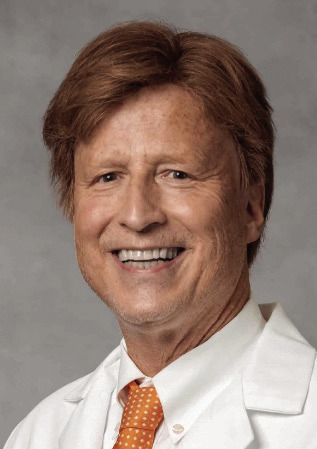
According to Tim Kasunic, MD, of The Toledo Clinic Cancer Centers, the cancer types found to be more prevalent in the LGBTQ community include anal, breast, and cervical cancers. “As practicing hematologists, we also see an increased risk of blood clots in transgender individuals undergoing hormone therapy, especially with a form of synthetic estrogen called ethinyl estradiol,” he adds.
Dr. Kasunic explains that the higher cancer risk facing LGBTQ individuals is a multifaceted problem, and, as multiple studies have revealed, various forms of stigma and discrimination are high on the list of contributing factors. “Research at the Fred Hutchinson Cancer Center in Seattle showed that LGBTQ cancer patients are often turned away from care, made to feel unwelcome, or discriminated against either verbally or through microaggressions,” he says. “In another study, published in Frontiers of Oncology, 82 percent of respondents reported experiencing discrimination in their life in general and 33 percent experienced discrimination during their cancer care. Yet another study, published in the Journal of Clinical Oncology in 2022, showed that sexual and gender minority patients with breast cancer experienced delays in diagnosis and treatment and had a higher chance of recurrence compared to non-LGBTQ patients—around 31% versus 14% respectively.”
Other factors raising cancer risk in the LGBTQ community are higher rates of tobacco smoking and alcohol use, lower rates of cancer screening, and other barriers to healthcare access such as lack of insurance, unaffordable costs, and bad prior experiences. “In addition to these stressors, being an ethnic minority as well as a sexual minority makes the challenge even tougher—especially for individuals in the African American community,” Dr. Kasunic says.
Perhaps the biggest barrier to optimal cancer care for LGBTQ individuals is a lack of open, honest communication between providers and their patients, Dr. Kasunic notes. Providers may be dismissive or feel awkward asking the patient probing questions, and if doctors are uncomfortable having a discussion, their patients may be guarded about volunteering important information related to their health and gender identity. As a result, important aspects of care can be overlooked. For example, if a transgender patient feels uncomfortable sharing which gender they were born with, their physician may not be able to order appropriate cancer screenings for them.
Future policy changes and health initiatives may help reduce the disparate cancer risk facing LGBTQ individuals, but Dr. Kasunic places special emphasis on the need for more training among healthcare providers on the issues unique to this community. “As providers, we need to foster a trusting relationship with all our patients, including those who are members of the LGBTQ community. Simple measures such as asking for their pronouns and using them, as well as reassuring them that everything they share will be kept confidential, can help build trust and rapport. Once that trust has been established, patients will usually begin to feel more comfortable sharing their concerns and telling you who they are.”
Dr. Kasunic advises LGBTQ patients to make sure they develop a good, trusting relationship with their primary doctor—and if their doctor doesn’t make them feel comfortable enough to have an open, honest dialogue, he urges them to find someone who does. He also notes that he and his colleagues at The Toledo Clinic Cancer Centers are focused on creating a warm and hospitable environment for patients of all backgrounds. “Our approach here is to welcome everyone regardless of their sexual orientation or gender identity, and to ask the questions we need to ask to ensure we provide the very best care,” he says.
The Toledo Clinic Cancer Centers, located at 1200 Medical Center Parkway in Maumee and 4126 N. Holland Sylvania Road, Suite 105 in Toledo, also provides imaging, laboratory, chemotherapy, specialized pharmacy, and IV services. The cancer center consists of 12 physicians, now including a Rheumatologist, as well as 11 advanced practice providers. The cancer center also has satellite centers in Napoleon, Bowling Green, Wauseon, Bellevue, Oregon, and Monroe.
For more information, please call The Toledo Clinic Cancer Centers at 419-479-5605. ✲