DUKE UNIVERSITY OFFERS A RESEARCH-BACKED CENTER FOR SPIRITUALITY, THEOLOGY AND HEALTH RESEARCH.
Duke University in Durham, North Carolina, is home of the Blue Devils. It is known for its top-tier academics and medical research, Spirituality, Theology and Health Center, engineering and their topranked basketball team.
The Duke Center for Spirituality, Theology and Health launched in 1998 with a $9.8 million grant from the John Templeton Foundation.
By 2012, it had produced over 200 peer-reviewed studies on spirituality and health connections.
The center’s work has significantly influenced medical education and clinical practice, helping to establish similar centers across the country and fostering dialogue between clinicians, theologians, and researchers.
The Duke Center discovered the many benefits to spirituality:
•Improves cardiovascular health.
•Lowers stress.
•Improves pain management.
•Boosts mental health outcomes.
•Enhances overall quality of life. According to the center, even six years later religious involvement helps to predict better self-related health outcomes, slows cognitive decline, improves mental, social and behavioral health, reduces pain and anxiety in clinical settings and may be linked to better sleep quality.
The Duke Center for Spirituality, Theology and Health publishes a monthly e-newsletter called Crossroads. The newsletter provides research summaries, news, events and funding opportunities related to spirituality and health.
Topics in the newsletters include the latest spirituality-health research summaries, news and event updates, plus training and funding alerts. Recent issues spotlight veteran spiritual-care needs, Global Flourishing Study findings on optimism and wellbeing and even essays on conservative perspectives in public health.
Crossroads advertises digital meetings and in-person conferences at Duke University and innovative health related topics.
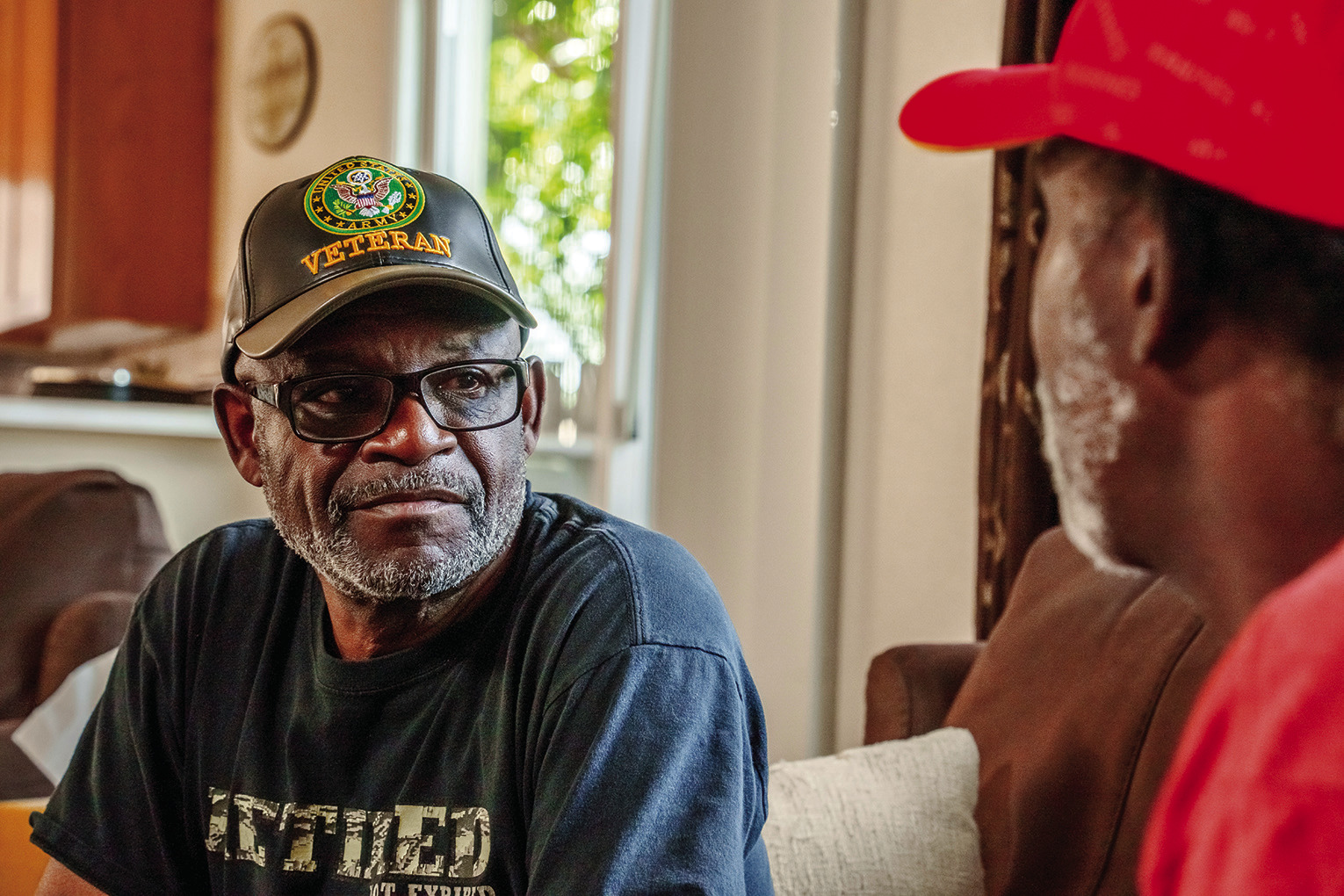
One such workshop coming up is on moral injury (MI); featuring a new book “The Moral Injury II: An Update for Military Chaplains, VA Chaplains, and Military Leaders.”
MI is the internal emotional turmoil experienced as a result of transgressing moral values, observing others transgress moral values, or being the victim of others' transgressions. MI initially received attention in active-duty military and veterans following combat trauma, but has now expanded to include first responders, healthcare professionals, and others exposed to severe negative life events and moral challenges. This intensive online workshop will be held via Zoom.
This workshop is designed specifically for military chaplains (active duty and VA), healthcare chaplains, healthcare professionals (physicians, nurses, social workers, rehabilitation therapists, etc.), mental health professionals (coaches, counselors, psychologists and pastoral counselors), community clergy, students of every type (undergraduate and graduate), and anyone else interested in the topic of moral injury–the distressing emotions associated with it and the devastating consequences that can result (worsening of PTSD, depression and increased risk of suicide). Learn about the range of presentations that moral trauma can take, from moral dilemma to moral distress to moral injury to moral injury disorder.
This workshop is one of many throughout the year, offered via Zoom, and sometimes free of charge or with fees waived, depending on the workshop offered. If you are interested in any topics or would like to sign up for the Crossroads newsletter, check out the Duke Center for Spirituality, Theology and Health website at centerforspirituality. duke.edu.
Sister Karen Zielinski is the Director of Canticle Studio.
Canticle Studio is a part of the Sisters of St. Francis of Sylvania, Ohio’s overall advancement effort and has a mission of being a creative center where artists generate works, products, and services in harmony with the mission of the Sisters St. Francis. She can be reached at kzie lins@sistersosf.org or 419-824-3543. ✲