MICHIGAN-SUMMER 2026 EPICENTER OF THE CYCLOSPORA OUTBREAK.
Michigan typically sees about 50 cases of Cyclosporiasis a year. As of July 15, the Michigan Department of Health has reported more than 3,000 confirmed cases, and the outbreak is affecting other states, including higher cases in northwest Ohio.
Investigators continue to look for the source, although something may have occurred much earlier in the supply chain, such as farming practices, harvesting or processing.
So now what? With all the unknowns affecting people coming into contact with the parasite, it would be worth answering some common questions and addressing misconceptions. There are alternative options to buy local or fresh and even frozen food items, instead of massproduced. All that to say, before we avoid every fruit, greens and vegetables out there, let's get back to the basics.
Three types of parasites that infect humans
According to science insight, parasites that cause disease in humans fall into three broad categories: singlecelled organisms called protozoa, helminths, which are worms, and ectoparasites that live on the skin’s surface.
Here is the breakdown • Protozoa: “microscopic, singlecelled parasites.” Their ability to multiply inside your body, allowing a small initial infection to grow rapidly is what makes these parasites dangerous.
A couple examples include: the malaria parasite replicates inside red blood cells. Giardia colonizes the intestines after you swallow contaminated water.
• Helminths: “worms visible to the naked eye in their adult form.” Unlike protozoa, that multiply inside you, adult helminths produce eggs or larvae that leave the body and mature elsewhere before infecting a new host.
Three main groups include: flatworms (including tapeworms and flukes), roundworms, and thornyheaded worms. Roundworms are especially versatile. Their adult forms can settle in throughout different areas in the body or in tissue just beneath the skin.
• Ectoparasites: “live on the outside of your body.” Common ones include: lice, fleas, ticks, mosquitoes and mites. Some are blood feeders like mosquitoes. The jigger flea burrows into the skin. Lice commonly lay eggs on hair follicles.
Common misconceptions mentioned
•Taco Bell caused the outbreak: Taco Bell and other fastfood chains have taken the initiative to take produce off the menu until it is safe. As mentioned, this is a farming or manufacturing issue, not a restaurant issue.
•It is carried by skin-to-skin contact: This type of parasite is a protozoan, a single-celled parasite, so it only spreads when in contact with consuming a contaminate.
•Bleach, vinegar and soap can kill a parasite: Being that Cyclospora is a protozoan, the only way to properly get rid of it is by cooking it off. Safe options can be found like frozen foods, cooking a home-cooked meal or going to a farmers market.
•This is a good justification to live off of pizza for the forseeable future: Precautions do not necessarily mean avoiding things altogether. Stay informed about the parasite, learn the facts and take precautions as necessary.
•You can get Cyclosporiasis from a swimming pool: The parasite, Cyclospora, needs to go through a maturing phase in the soil called sporulation before it can be infectious. Due to this, it is not going to significantly cause recreational water outbreaks.
•You should be able to treat it like any parasite drug, such as ivermectin: Boghuma K. Titanji, MD, MSc, DTM&H, PhD, said, “Parasite” isn’t one thing treated with the same drug. It’s a huge category of organisms. Cyclospora is a single-celled protozoan, while ivermectin works against worms and a few other parasites like scabies. Bactrim targets a metabolic pathway Cyclospora depends on to make folate, which is why it’s the treatment of choice.”
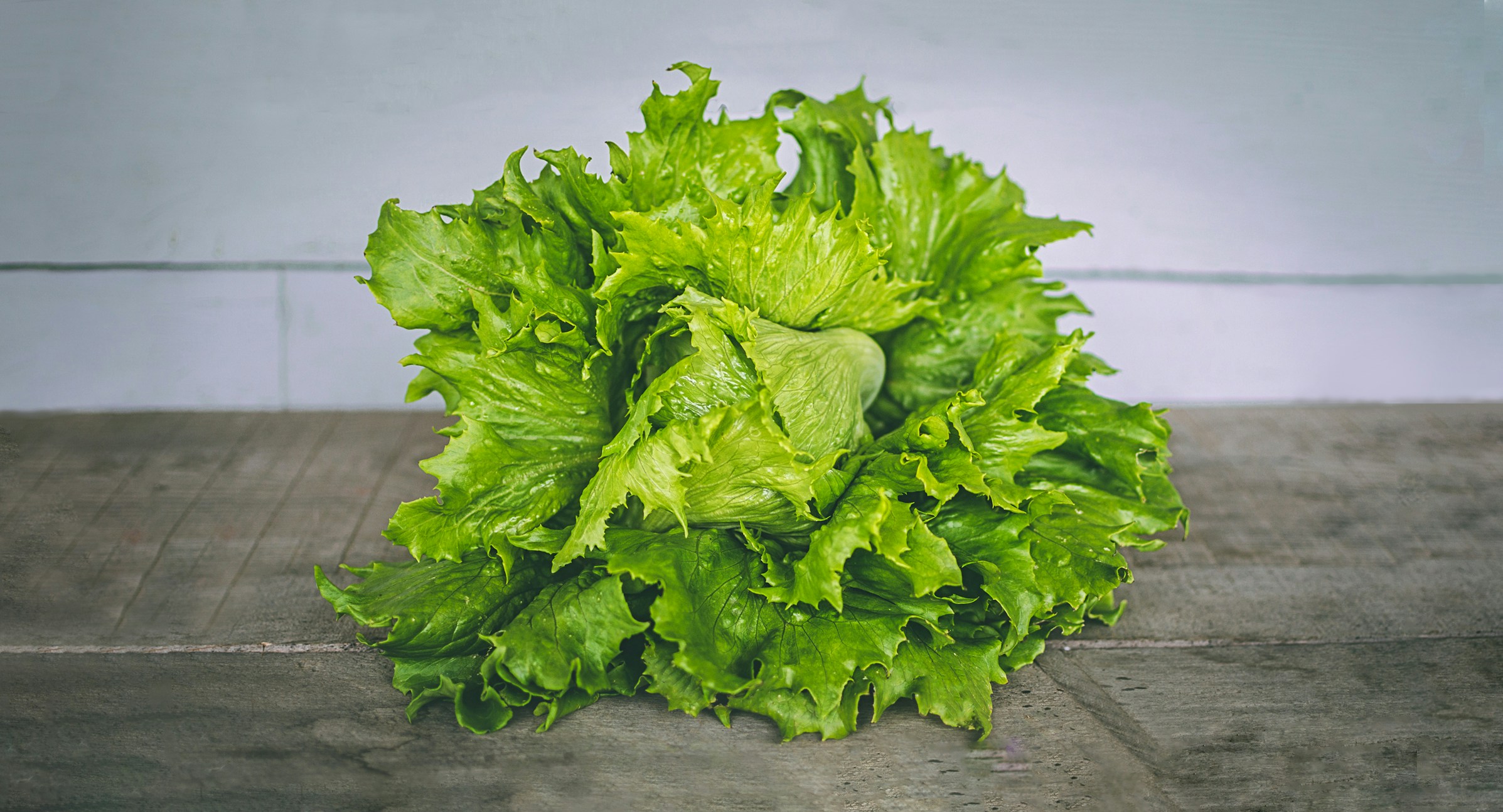
As the investigation resumes and the source of the outbreak is identified, it is recommended to avoid bagged or pre-packaged produce in containers, especially lettuce and leafy greens. It is recommended to avoid lettuce and some produce from fast-food restaurants. Taco Bell has taken the initiative and appropriate precaution to take food items off the menu, such as lettuce, cilantro onion, pico de gallo, and guacamole. And in some ways, I think that this is a good reminder of taking care of our bodies and being mindful about what we consume.
Health practices may include a parasite cleanse, knowing where your food comes from, staying informed and up-to-date and making sure you properly clean and prepare food.
http://scienceinsight.org ✲