AS THE COLD SEASON DESCENDS UPON COMMUNITIES LIKE TOLEDO, maintaining an active, healthy lifestyle requires more than just a warm jacket.
Often overlooked, footwear is the single most critical defense against slips, cold injuries, and subsequent health risks that accompany frost and ice. Your shoes are your foundation; ensuring they are equipped for the environment is paramount to your winter wellness strategy. This guide provides essential, actionable advice for selecting the right gear and adopting smart routines to keep your feet—and your whole self—safe and sound until spring.
The hidden dangers of coldweather neglect The risks associated with improper winter footwear are serious and go beyond just getting chilly. The most immediate danger is the threat of falling.
Black ice and packed snow are treacherous, and footwear with smooth, worn, or inadequate soles dramatically increases the risk of a fall, potentially leading to debilitating injuries like ankle fractures, sprains, or worse.
Beyond falls, there is the risk of cold-related tissue damage. When feet are exposed to prolonged cold or dampness—often from non-waterproof boots—circulation is restricted.
This can result in localized injuries such as frostbite (freezing of skin and underlying tissue) or chilblains (painful, itchy inflammation caused by repeated exposure to non-freezing cold). Furthermore, the tight-fit trap often leads to cold feet; many people wear thick, wool socks without upsizing their shoes.
A tight fit compresses the blood vessels, defeating the purpose of the warm sock by impeding the very circulation needed to keep the toes warm.
Finally, moisture and infection become a concern, as wet feet, whether from snow seepage or trapped sweat, create the ideal environment for heat loss and the proliferation of fungal infections.
The Footwear Checklist— traction, warmth and fit
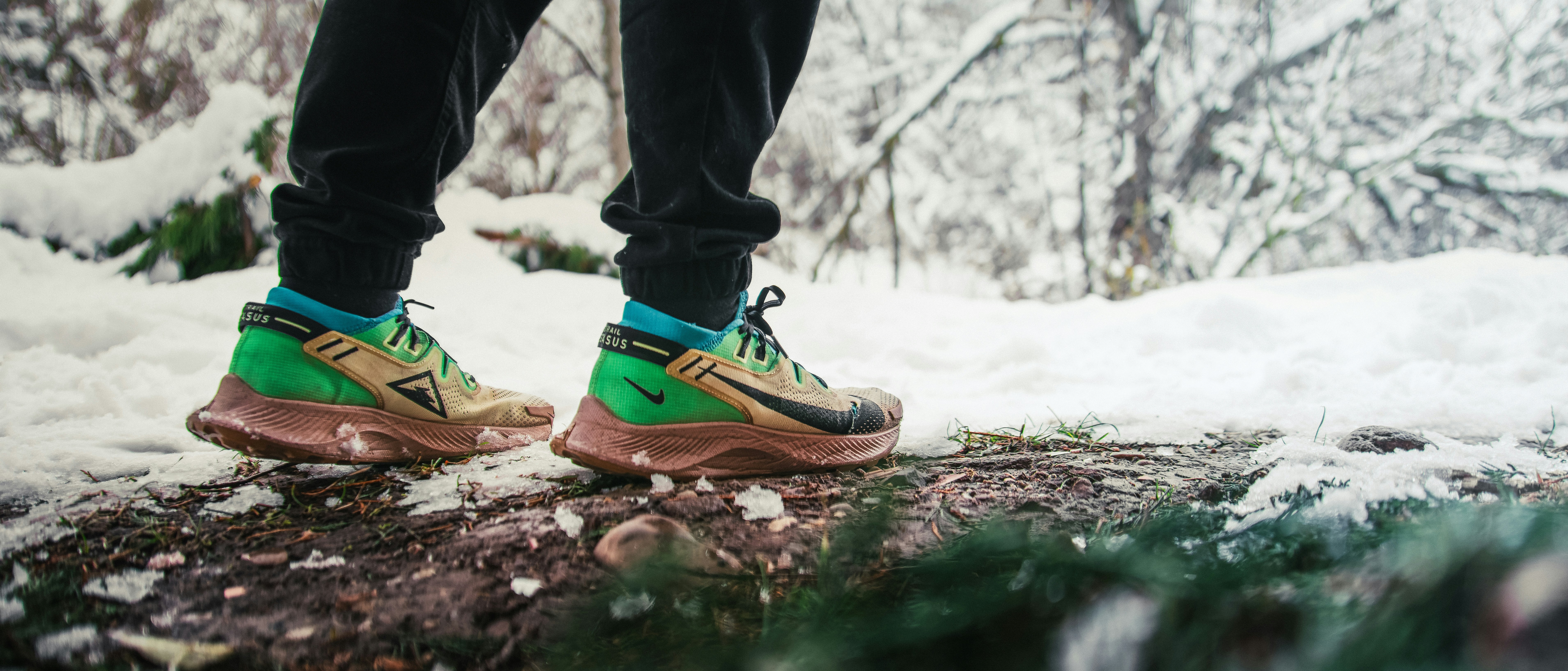
When shopping for winter shoes or boots, adhere to three core principles for optimal safety and health: Traction, Insulation, and Fit. First, you must master traction, as the sole is your primary focus. Look for deep, multi-directional grooves, often called lug soles. These treads are designed to cut through snow and gain purchase on uneven ice and compacted surfaces.
The sole material should be a soft rubber compound that retains flexibility in freezing temperatures, providing superior ground contact.
You should retire any footwear with a smooth or severely worn sole for winter use. Second, prioritize insulation and water resistance.
Ensure your boots feature a verified waterproof membrane or fully treated, sealed seams to prevent melted snow from seeping in. The insulation—often rated in grams (e.g., 200g)—should provide a sufficient thermal barrier without causing your feet to overheat and sweat excessively.
Third, pay critical attention to layering and fit. This is where many people make mistakes that lead to cold feet. Ditch cotton socks in favor of wool (especially merino) or high-quality synthetic blends.
These materials pull or wick moisture away from the skin while providing essential insulation. When trying on winter boots, wear your thickest socks, as the shoe must still allow your toes to wiggle freely. If the boot is too snug, it will constrict blood flow and ironically make your feet colder, not warmer.
Proactive health and walking practices
Staying healthy in winter is about smart movement and dedicated routines. When crossing icy terrain, adopt a slightly exaggerated, short stride walk known as the “Penguin Walk.” Keep your center of gravity directly over your feet and slightly splay your feet outward to maximize your contact patch with the ground. Crucially, keep your hands out of your pockets to allow your arms to act as balancers if you happen to slip. Another vital routine is the damp sock solution: Always keep a spare, dry pair of socks handy. If your feet become damp from snow or sweat, changing them immediately is the fastest way to warm your feet and prevent fungal growth.
Finally, practice daily inspection and hydration of your feet. The combination of cold outdoor air and dry indoor heat can lead to cracked skin. Apply a rich, thick moisturizing cream to your heels and soles daily, but avoid moisturizing between the toes as this traps moisture and promotes fungal growth.
If you have chronic conditions like diabetes, a thorough, daily foot check for any cuts, blisters, or areas of persistent numbness is mandatory.
Additionally, always remove the insoles and allow boots to air dry naturally after use, as stepping into a wet boot dramatically increases the risk of cold exposure and infection.
By combining the right footwear technology with mindful walking and dedicated care routines, you build a robust defense against the cold season’s challenges.
Your focus on healthy living begins right where you meet the ground. ✲