AFTER EVERY HOLIDAY, vacation, or celebration, it seems I hear comments like, “I need to cleanse!” or “We’re going to eat vegetables for a month!” I find remarks like this humorous as the body doesn’t really need any persuasion or reminder to cleanse its systems—it’s already in a constant state of cleansing and detoxing.
The fact that there is considerable misunderstanding about detox diets is amply evident in supermarket checkout lines, where magazine covers frequently tout articles on juice cleanses, apple cider vinegar, vegetable smoothies, and other cleansing/detox-related content. I completely understand where they’re coming from because after holiday or vacation overindulgence, it’s only natural to want to return to some type of normalcy in your diet—to free yourself from the processed foods, alcohol, sodium, sugar, and fat, and eat something that’s high in fiber and nutritious. But cleansing isn’t as simplistic as the magazines would have us believe. To understand the human body’s
To understand the human body’s amazing ability to cleanse itself, let’s pretend we’re back in Biology 101. Detoxification is a process your body performs around the clock. It metabolizes important nutrients from the food we eat and creates toxins by design during that process. Then the body removes these toxins through the liver and various elimination products, e.g. urine, feces, respiration, and sweat.
There are basically two kinds of toxins: those that are made in the body during metabolism and those that come from outside the body and are introduced by eating, drinking, breathing, or absorption through the skin. Toxins that are produced in the body include lactic acid, urea, and wastes from microbes in the gut. Examples of external toxins are alcohol, pesticides, mercury from seafood, car exhaust and pollution, tobacco products, and drugs. Each person’s ability to detoxify can vary and is influenced by factors such as environment, diet, lifestyle, health status, and genetics. Thus, the idea that people need help with detoxifying is created.
Most detox programs include elimatining highly processed foods, and some include avoiding dairy, gluten, eggs, peanuts, and red meat. Other programs promote eating all organic foods, and still others encourage fasting and other practices that can be potentially dangerous for certain people and those with certain health conditions.
Further complicating matters, there are many non-credible people (e.g. Gwyneth Paltrow) as well as many credentialed people (e.g. Dr. Oz) who claim to be experts in detoxification. Whatever their supposed degree of authority on the subject, there is a lack of scientific evidence to support many of their claims.
But as I mentioned before, I get it. You’ve overindulged and now you feel bloated and uncomfortable. So, let’s look at some ways to help your body detox itself naturally—without resorting to crazy concoctions:
1. Stay hydrated with plain, goodold water. Aim for 64 ounces a day.
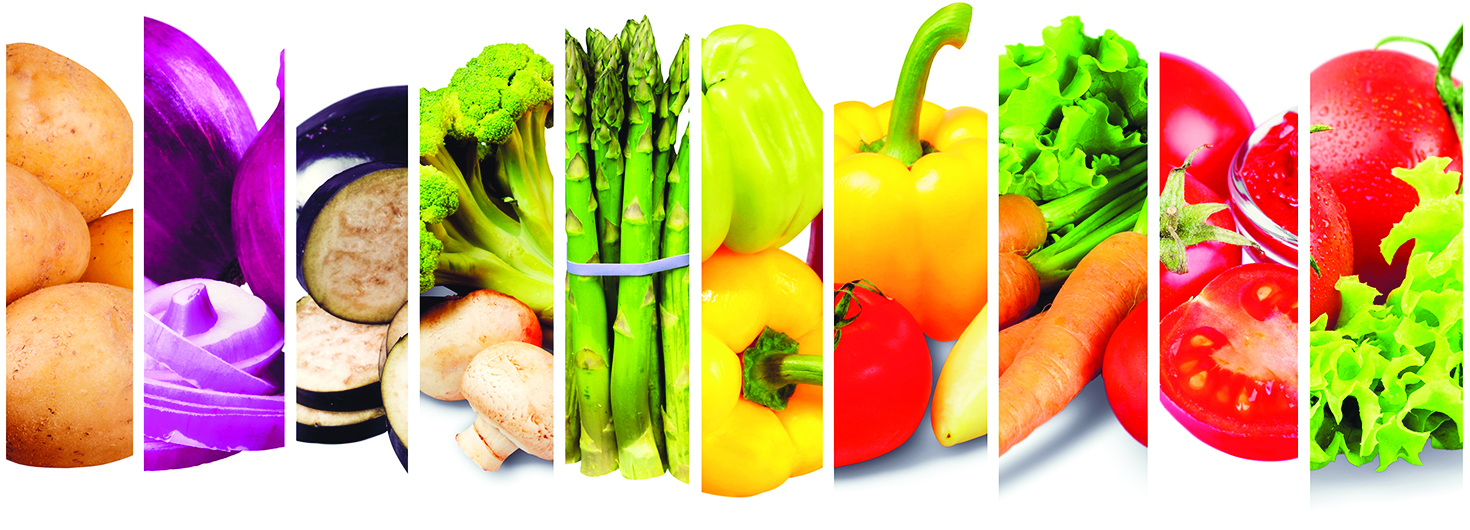
2. Eat five to nine servings of fruits and vegetables every day.
3. Aim for 30 grams of fiber a day (fruits, vegetables, nuts and seeds, whole grains) to promote a regular bowel pattern.
4. Choose cruciferous vegetables, including broccoli and Brussels sprouts, as well as berries, almonds, artichokes, onions, leeks, and green tea daily—they promote detoxification pathways.
5. Consume five to eight ounces a day of lean protein, which contains gluthionine, a natural master detoxification enzyme.
6. Eat naturally fermented foods, such as kefir, yogurt, kimchi, sauerkraut, or kombucha, or take a high-quality probiotic to promote a healthy gut.
7. Consider taking a multivitamin/ multimineral to fill any gaps in a healthy diet, since certain vitamins and minerals enable the body to process and eliminate toxins.
Although detox diets are common and popular, there is little evidence that they eliminate toxins from your body. Remember, your kidneys and liver are your body’s natural detoxifying organs. They filter and eliminate most ingested toxins with no special help from us.
If you do choose to go on a detox/ cleanse diet, be sure to keep it temporary—no more than one to three days. Long-term cleanses can cause severe nutrient deficiencies.
If you really want to help your body detox the natural way, make healthy food choices on a daily basis and follow the tips given above. And, of course get plenty of physical exercise on a daily basis.
Enjoy the taste of eating right, and I’ll see you again next month!
Laurie Syring, RD/LD, is Clinical Nutrition Manager at ProMedica Flower Hospital.